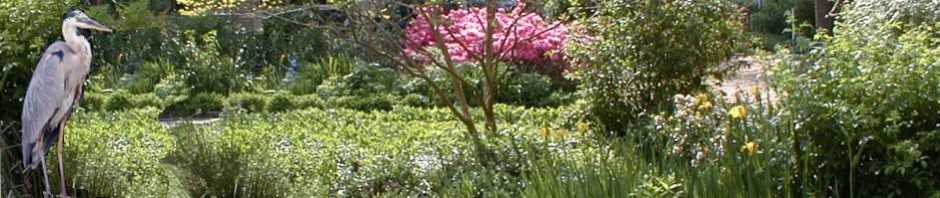
Not one but three hydrangeas bewitched me this summer
(Disclaimer {already}. Over the years I have fallen for just about any hydrangea I have met. You might consider me an inconstant gardener. Maybe even a fickle one? So I won’t hold it against you if you call my current swoon chaff in the wind.)
Before I divulge the particulars of this summer’s fling, I must confess to you my past reckless dalliances.
1. The Oak Leaf Hydrangea
A long time ago we visited Bellingrath Gardens near Mobile, Alabama. I was dazzled by oak leaf hydrangeas, a southeastern native and the state flower of Alabama, so of course I went on a hydrangea hunt.

Hydrangea quercifolia ‘Alice’ and her relatives can be fickle if not sited properly, but eventually she became a dependable bloomer in our highly amended Carolina clay soil and benevolent shade
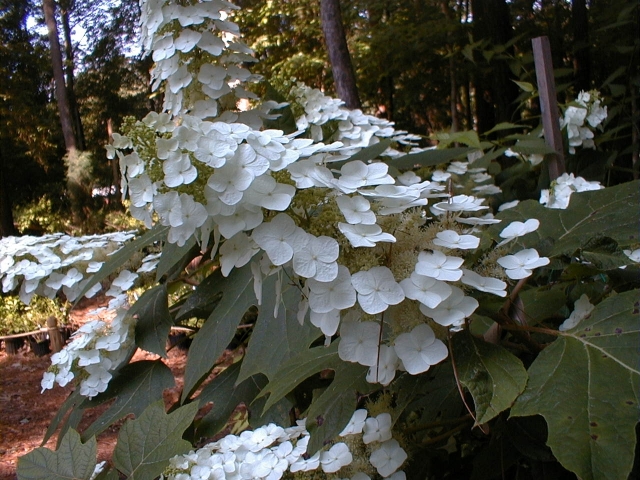
Inconspicuous fertile flowers that attract pollinators are central to showy white sepals that create outstanding bloom
The fall color on oak leaf hydrangeas can be outstanding, too, especially in northern gardens.

‘Alice’s’ psychedelic display of fall color in New Hampshire. Photo by Susan
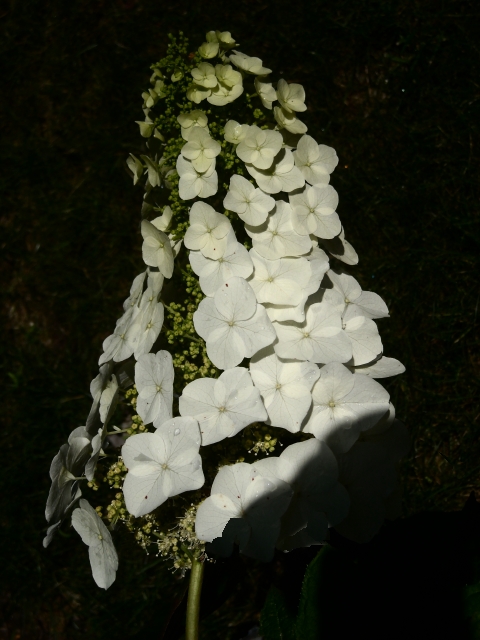
A single blossom makes a silken, come-hither bouquet

An allee of oak leaf hydrangeas makes a grand come-hither statement at Tower Hill, a public garden north of Worcester, MA
Can you blame me for my infatuation?
2. The Big Leaf Hydrangea
A decade ago, on a tour of Ireland I rekindled my romance with the big leaf hydrangeas, or mopheads, that overflowed gardens, castles, and roadsides. The misty moisty shrouds that embrace the Emerald Isle must coddle hydrangeas, too.
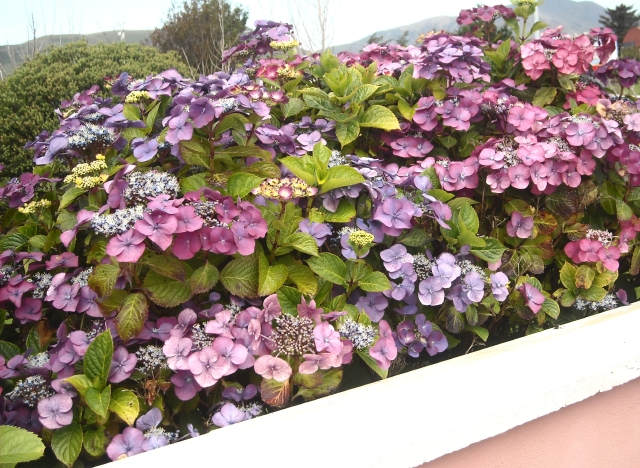
Hydrangea macrophylla are featured in this picture and the one below, both taken at a bed and breakfast we passed on our way to the ferry to Valentia Island

Alas, I had no opportunity to pinch cuttings as the owners, lovely people, came out to check on all the activity by their garden wall
Still charged up from my Irish fling, I put a future trip to Brittany on my archived bucket list. The French call them hortensias, and I understand they are everywhere in this rocky coastal peninsula west of Paris, along with great seafood and wonderful breads. (But I must stop dreaming.)

An array of luscious hydrangea blooms in Brittany. Photo by Vivienne Mackie
This fancy for mopheads and lacecaps was actually a long, thirty-year relationship with countless varieties of hydrangeas we grew in North Carolina.
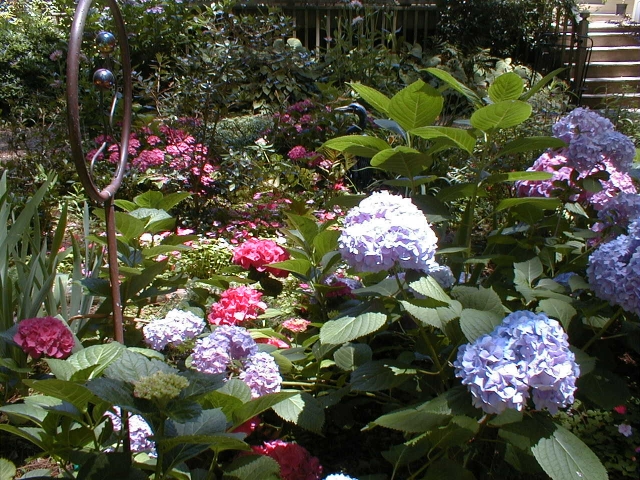
Our first hydrangea garden, bathed in dappled shade. We doted on it but our joy was short-lived. Hurricane Isabel tore away so many trees that unhappy plants were left to struggle in full sun and had to be dug and potted and restored. Now that is true love

As years passed, we managed to create a romantic nook that thrived under shade of the woodlands behind them that blocked direct rays from a southern sun
The decades long liaison only ended when we moved from North Carolina.
3. The Climbing Hydrangea
Half a century ago I was smitten by a magnificent specimen in flagrant full bloom at the gateway to a New England arboretum. A few years later, it had vanished, guilty of being too bold and sassy, I guess. Maybe standing in the way of botanical-garden progress?

A frail-looking bloom on Hydrangea anomala petiolaris covered with small fertile flowers surrounded by a few flashy sepals on a strong grower
I was attracted by the plant’s bold and eccentric, rangy, opportunistic growth. When I finally stumbled on one in a nursery, I planted it near a corner post in our courtyard. He was the rugged bad boy of our hydrangeas.
This climber was not supposed to do particularly well in our Zone 8 coastal clay, but after an initial struggle with Japanese beetles, it galloped full speed, not up because there was no tall support nearby, but along the fence in a blast of exuberance that matched my heady delight.
It might have preferred to climb. . .
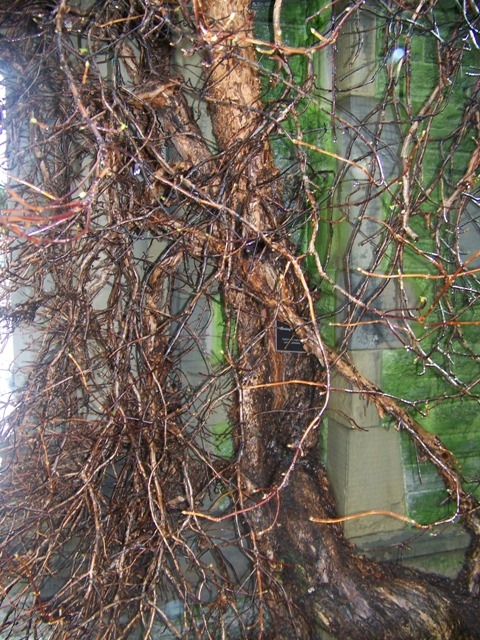
A winter tangle suggestive of the creepiness of a Stephen King novel. Kinda says Stay Away
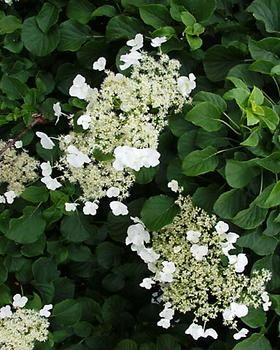
A froth of bloom masquerades as a charmer on this aggressive hydrangea
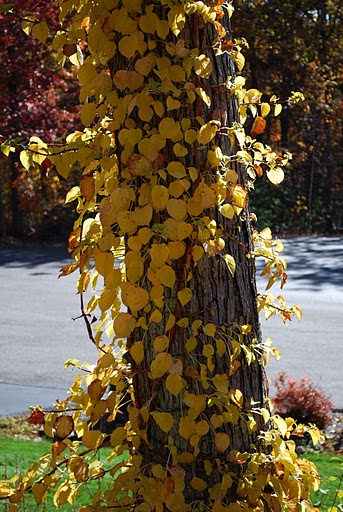
Golden yellow leaves flicker in fall along the tall trunk of a New Hampshire oak tree where it happily climbed into the crown
Ah, the climbing hydrangea, a show-off when it blooms, but an adversary if it needs pruning.
4. Annabelle Hydrangea
We’ve always loved the snowball bush. As kids my sisters and I picked bouquets. Our children loved the snowballs that bloomed in June, and they took bouquets to their first grade teachers. So sweet Annabelle has been with me for many decades.

Here it is, Hydrangea arborescens ‘Annabelle’ growing in a Manchester, NH garden

Our North Carolina Annabelle growing in woodland shade among George Tabor evergreen azaleas. It was never the beguiling spreader I’ve seen elsewhere, but it hung on during daytime heat and humidity and hot humid nights
Many years later, the pristine white native Annabelle hydrangea cast its spell on me again when a friend told me how much she wanted a white hydrangea and asked me to propagate one.
The cuttings came from a voluptuous nursery plant that had triggered the clasp on my wallet. The cuttings grew and prospered. In fact, I brought one of those plants with me to New Hampshire, unaware that her sisters were wildly growing in the shade of our stately old hemlock.

Here it is, a feisty two-year-old from one of those rooted cuttings, quite happy, making a splash against our brick house
It looks like I will never lose this old friend.
5. The PeeGee Hydrangea
My latest botanical true loves, three of them, kept my heart fluttering and my camera clicking this summer. Here are their stories in pictures.
Full disclosure before we begin: PeeGees are among the most forgiving of hydrangeas, even in eastern North Carolina clay. They bloom on the current year’s growth so there is no loss of flower buds during an inclement winter.
But their best flower color is produced with ample water and nighttime temperatures below 70 degrees. (Which can probably be said of most other hydrangeas.) This summer was one of the kindest: rainy with cool nighttime temperatures.
If weather takes a dry turn next summer and frills brown early, will I be so hearty in my endorsement? And will I then ignore dowdy blooms if perky asters or chrysanthemums or heliopsis arrive to distract me?
View From the Living Room
At the edge of our patio, magnificent this year but still diminutive against the Norway Spruce, is a small tree that coaxes us to spend time close by most every afternoon when the sun lights up its blooms.

August: a brilliant white show, uncountable blooms on this old Hydrangea paniculata grandiflora

Aglow in September afternoon sunshine

Blush pink blossoms in late September
The profligate blooms you see in these pictures hide debilitating wounds from an icy winter.

The first snow was only a few inches, but it was icy and bowed branches to the ground. We ignored the possible damage
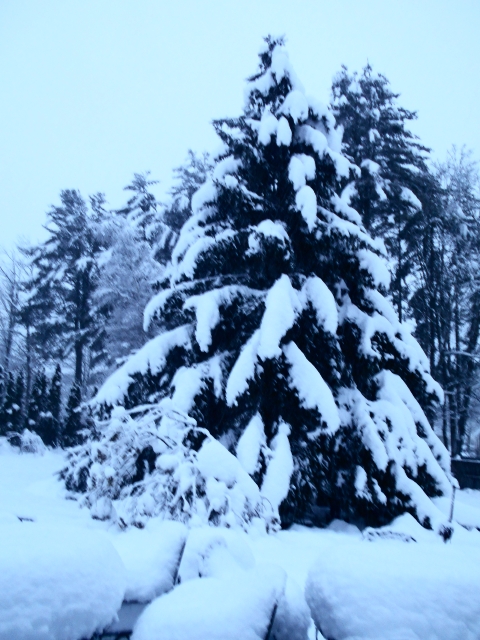
The second snow added weight to the struggling hydrangea and buried its branches in an icy mass below. Still, we ignored the possible damage. The Norway spruce reveled in the snow cover

By the time we ‘rescued’ this hydrangea in early spring, major branches had been torn away
The tree was scarred and crippled. Splints and bungees did not work to set branches in place. Multiple amputations of large limbs created a lopsided skeleton of a plant.
We could not imagine anything but a dismal recovery and a half-hearted bloom. Instead, this resilient plant grew into a lovely specimen that restored our faith in the miracle of nature.
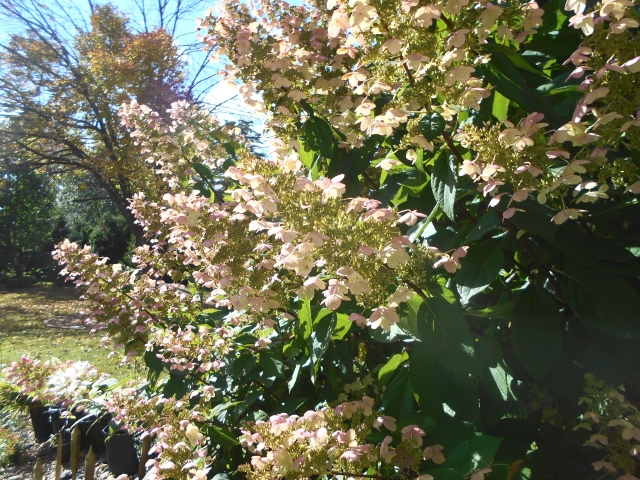
Next winter we will give this beauty some TLC, even if it means wet feet and frozen fingers
How could you not love a survivor like this?
The Hemlock-Hydrangea Duo
It looks like a little sister leaning on a big brother for help, but this is an old, old, tough plant.
Last year Bob spent a lot of time pruning out dead limbs and crowded branches and shaping the crown, hoping to produce an elegant vase shape. But the peegee grew so quickly during our wet spring and summer, its new stems were not strong enough to support the magnificent blooms that, fostered by the rain. burst through,

Literally dripping with blooms. Greenish blooms are late arrivals, as branches continued to grow. Shovel is a fixture in the diminishing pile of top soil we brought in this year for new beds

Soft, pale September show

An upclose view of its frilly skirts
Big and bold in the back forty
This blunderbuss of a plant (Hey, it’s my plant. I can call it all sorts of names, but don’t you dare make any cracks about it!) was probably never pruned.

A showcase of white in August next to wood chips the arborists left us after they removed dead pine branches and ground them. We mulched the garden with them. Inkberry holly on the left

A mass of rosy blooms in September

Bold in October, late new growth peeking out underneath
This burly bush gave us unexpected gifts.
Before the arborists piled up the wood chips I cleaned debris from the bed. There, in among the weeds, were more than a dozen stripling peegee hydrangeas, seedlings from this great big teddy bear of a bush.
I dug and potted them, then hid them under the protective shade of the Norway spruce so I could forgot about them. In our summer of rain, they grew spectacularly. And some even bloomed in the low light.

Bloom on a stripling from the back peegee hydrangea

Another gift from that hydrangea, this one with a hint of peach. You never know what you’ll find when you work with wild seedlings
What was I going to do with all those pots of hydrangeas that were ready to take their places in the landscape with nowhere to go?
During a walk one day I spotted a hedge of peegees lining a driveway. I’d seen it many times before, admired it, and walked on with a smile. Now it became an inspiration.
Each plant in the hedge usually sported the traditional vase shape, but this year, like our old hydrangeas, limbs were weighed down by branches that had grown too quickly in rainy weather and bore outsized luscious panicles of bloom.

Can’t you just hear a raucous can can from the Moulin Rouge and imagine those flounces at the ankles flying into the air during high kicks?
I decided that some of my potted plants would become a chorus line of peegee hydrangeas along one of our fences. Fortunately, Bob was a willing partner, since he would be digging the holes and weed whacking the area (which will eventually be covered with thick layers of newsprint and topped with mulch).

And here is Bob, 87 now, taking a break from digging the chorus line and putting the finishing touches on one last plant
My love affair with hydrangeas will go on and on, I expect.
I have other varieties of peegees: Bobo, Red Sprite, Limelight, Little Quickfire, each with endearing qualities, just beginning residency in my garden. And there are more recent varieties of mopheads and lacecaps, oak leafs and arborescens out there in the plant world.
But none can compare with those old-timey hydrangeas that may have no botanical pedigree but that have survived and bloomed for decades. And therein lies my loyalty.
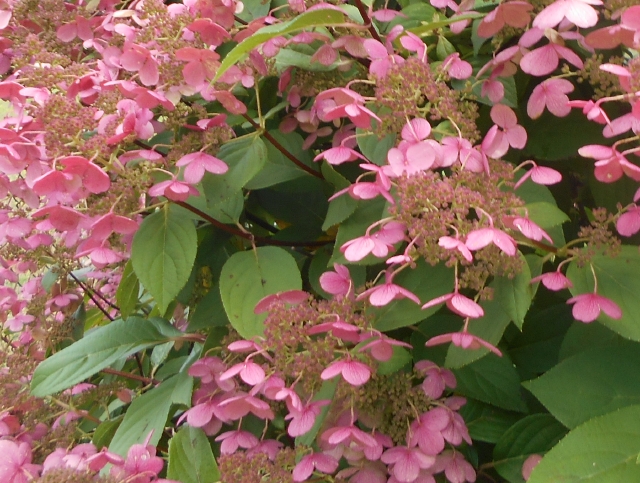
Our neighbor’s time-honored peegee hydrangea
 A Heron's Garden
Have always loved hydrangeas. Never could master the Oakleaf and not thrilled with the climbing hydrangea. Wanted Annabelle. A favorite was Niger! I remember the 10’ tall Limelight in Pamela Harper’s beautiful gardens. So many wonderful varieties but unfortunately I have no place at my new location. So..I will simply have to enjoy your great blog and photos and remember your pretty gardens. ❤️
Thanks for your comments, good friend. Those mophead and lacecap hydrangeas in NC were wonderful specimens, weren’t they? We couldn’t wait to get our hands on a new variety, and sharing plants was even more fun.
I believe I had 15 varieties, many from you. How many do you think you had? Miss them. I now have one. 🙁